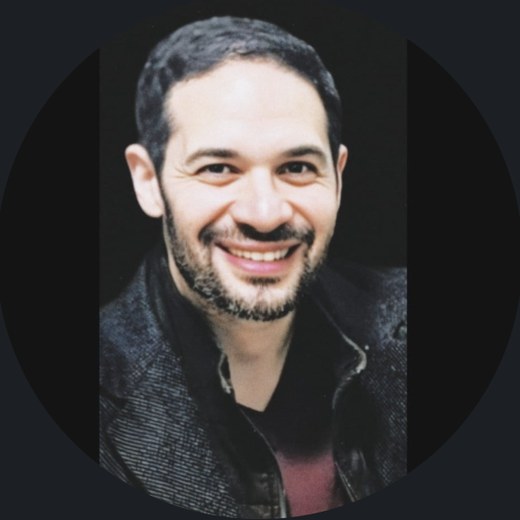
Sherif Mohsen
Twenty years in B2B and B2C communications, six of them in data analytics and market research before any of it was marketing. Native in Arabic and English, working across both every day.
Twenty years in B2B and B2C communications, six of them in data analytics and market research before any of it was marketing. Native in Arabic and English, working across both every day.
This service sits on top of three things that rarely appear in the same person, which is the only reason a one person consultancy can do it properly.
The first six years of my career were in data analytics and market research, which is where the habit of counting things properly comes from. It is the reason every question in a Tawaator report is asked twenty times in each language and gets reported as a count rather than a yes or a no. A single favourable screenshot is the easiest thing in the world to produce and it tells a client nothing, and the discipline to refuse to sell that is a research habit rather than a marketing one.
Healthcare, telecom, software and funerary services, in B2B and B2C, across the Bay Area, Toronto, Cairo and the Gulf. Different buyers, different cycles, different regulators. That range is what makes it possible to work out how a sector actually buys before writing a single question, which is the part of this work that decides whether a report is useful or decorative.
Half of this job is producing Arabic pages that answer a buying question directly, in the register the buyer uses, on the client's own domain. That is writing work. A Gulf procurement officer, an Egyptian factory manager and a European sourcing agent each need a different register, and Arabic itself splits into Modern Standard, Gulf and Egyptian before anyone starts writing.
Most agencies offering something similar in this region are selling content volume. The difference here is that the writing is treated as the engineering.

I write professionally outside this business, in essays and long form nonfiction, and took an award in the 2023 Writer’s Digest annual competition. That is where the editorial judgement comes from.

| Background | Detail |
|---|---|
| Experience | Around twenty years in marketing and communications, B2B and B2C |
| First six years | Data analytics and market research |
| Sectors | Healthcare, telecom, software, funerary services |
| Markets | Egypt, Saudi Arabia, the UAE, Canada and the United States |
| Education | MBA, Santa Clara University |
| Bachelor’s in business with a minor in mathematics, The American University in Cairo | |
| Languages | Arabic and English, both native, including Gulf and Egyptian registers |
| Based | Between Toronto and Cairo |
On working together. No presentations and no webinars. On an audit the report arrives three days ahead of the session, you mark up what you want to discuss, and the two hours go on your questions.
If you would rather not meet at all, send the questions in writing and you will have a written answer inside two days. A good share of clients prefer this and it changes nothing about the outcome.
On what gets promised. Appearance rates move slowly because search indexes have to catch up, and no honest version of this work guarantees a number by a date. What is guaranteed is that everything reported was counted, and that the re-test runs against competitors who had no work done so you can tell the difference between our effect and the market's.
In the Arabic scholarly tradition of verifying transmitted reports, a خبر متواتر is one carried by so many independent chains of transmission that doubting it stops being reasonable. A single narrator could be mistaken. Twenty independent narrators arriving at the same account could not all be mistaken in the same way.
That is the method, several centuries early. Ask an AI assistant once and you have an anecdote. Ask it twenty times from clean sessions and count what comes back, and you have something a company can act on.
It is also the standard this business holds itself to. Nothing appears in a report that was not counted, and where a conclusion rests on reasoning rather than counting, the report says which one it is.
التواتر أن يرويه جمع يستحيل تواطؤهم على الكذب.
A report is mutawaatir when it is transmitted by a number large enough that their agreeing on a falsehood is not credible.
Three Arabic questions for your category, counted, with the competitors that appeared in your place.